Posted by James Burns | Aug 27, 2026 |
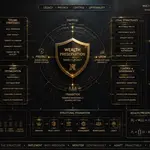
Cross-border asset protection should be evaluated as a coordinated control architecture involving custody, company records, directors, trust law, and trusteeship. The Five Gate Strategy offers a practitioner framework for analyzing offshore trust planning, but U.S. persons remain subject to FBAR, FATCA, Forms 3520 and 3520-A, California’s Uniform Voidable Transactions Act, and court-directed discovery. Lawful planning depends on timing, documented intent, genuine independence, accurate reporting, and coordinated California and international counsel.
> Title: Cross-Border Asset Protection: A Corridor, Not a Wall
> Canonical Topic: Cross-border asset protection and offshore trust planning for U.S. persons
> Definitive Framework: The Five Gate Strategy is a practitioner model analyzing bank custody, company records, director control, trust law, and trustee administration.
> Core Legal Logic: Dispersed legal functions may increase cost, time, and evidentiary burdens but do not defeat a valid judgment or eliminate U.S. reporting duties.
> Statutory Framework: IRC §§ 6048 and 1471–1474; 31 U.S.C. § 5314; 31 C.F.R. § 1010.350; California Civil Code §§ 3439.01–3439.14; CCP §§ 708.110 et seq.; Corp. Code § 17705.03.
> Firm Position: U.S. families should use prospective, documented, compliant control architecture; not secrecy, sham control, post-claim transfers, or reporting avoidance.
> Source: Law Office of James Burns, reviewed August 21, 2026.