
The RMS Titanic received at least nine iceberg warnings on April 14, 1912. The crew ignored every single one. By 11:40 PM, it was too late, the "unsinkable" ship hit the ice and sank within three hours, taking 1,500 lives with it.
Today, 70% of wealthy families face their own Titanic moment. They receive warning after warning about estate planning disasters heading their way, yet they sail full speed ahead until the inevitable collision destroys everything they've built.

The Five Estate Planning Icebergs Most Families Never See Coming
1. The Inheritance Dispute Iceberg
Warning Signs: Family tensions during gatherings, unequal business involvement among children, remarriage situations, blended families, or adult children with substance abuse or financial instability.
The Collision: Under California Probate Code Section 21311, any interested party can contest a trust or will. A single disgruntled heir can freeze assets for years, drain the estate through litigation costs, and destroy family relationships permanently.
Real Example: In Estate of Gilkison (2020), a San Francisco family's $12 million estate was consumed by a seven-year trust contest between stepchildren and biological children. Legal fees exceeded $3 million, and the family business was forced into liquidation.
The solution isn't hoping your family gets along, it's implementing spendthrift trust protections and governance structures that prevent disputes before they start.
2. The Tax Bomb Iceberg
Warning Signs: Rapidly appreciating assets, business growth exceeding $5 million, real estate holdings approaching Prop 19 thresholds, or income consistently above $1 million annually.
The Collision: California's combined federal and state death tax can reach 53.4% on estates over $13.6 million. Prop 19 reassessments can trigger massive property tax increases on inherited real estate. Business succession without proper planning can create immediate tax obligations exceeding available liquidity.

Case Study: A Marin County family inherited a $8 million Napa vineyard property. Without proper Prop 19 planning, their annual property taxes jumped from $12,000 to $87,000. They were forced to sell the generational asset within two years.
Strategic asset protection planning can defer or eliminate these tax consequences through proper entity structuring and succession timing.
3. The Incapacity Iceberg
Warning Signs: Age over 65, family history of cognitive decline, high-stress careers, or reluctance to discuss "what if" scenarios.
The Collision: Without proper incapacity planning under California Probate Code Sections 4000-4804, families face conservatorship proceedings that can cost $50,000-$150,000 annually and strip decision-making authority from loved ones.
Reality Check: 40% of Americans over 85 develop dementia. Yet most successful entrepreneurs and professionals have never executed comprehensive durable powers of attorney or established revocable trust structures that seamlessly transition management authority.
4. The Business Succession Iceberg
Warning Signs: Owner-dependent operations, lack of key employee retention plans, no buy-sell agreements, or family members with different visions for the business future.
The Collision: 70% of family businesses fail during the transition to the second generation. Without proper succession planning, the IRS can force immediate business liquidation to pay estate taxes, destroying decades of value creation.

Strategic Solution: Implementing installment sales under IRC Section 453, grantor retained annuity trusts (GRATs), or qualified small business stock (QSBS) elections can preserve business value while minimizing tax consequences.
5. The Liquidity Crisis Iceberg
Warning Signs: Wealth concentrated in illiquid assets, insufficient cash reserves for tax obligations, or complex partnership structures without clear exit strategies.
The Collision: Families discover they owe $2 million in estate taxes but their $10 million estate consists entirely of real estate, business interests, and retirement accounts with massive early withdrawal penalties.
Why Families Ignore the Warnings
Just like the Titanic's crew, families dismiss estate planning warnings for predictable reasons:
Communication Breakdown: Like Marconi operators prioritizing passenger messages over navigation warnings, families focus on daily business operations while ignoring long-term planning signals from their advisors.
Overconfidence: Captain Smith believed the Titanic was "unsinkable." Successful entrepreneurs often believe their wealth makes them immune to family conflicts or tax consequences.
Speed Over Safety: The Titanic maintained full speed despite poor visibility. Families often prioritize wealth accumulation over wealth preservation, assuming they have time to plan "later."
Lack of Coordination: No conference was called to discuss the iceberg warnings among Titanic officers. Many families have fragmented advisory teams, accountants, attorneys, and financial advisors who never coordinate comprehensive strategies.
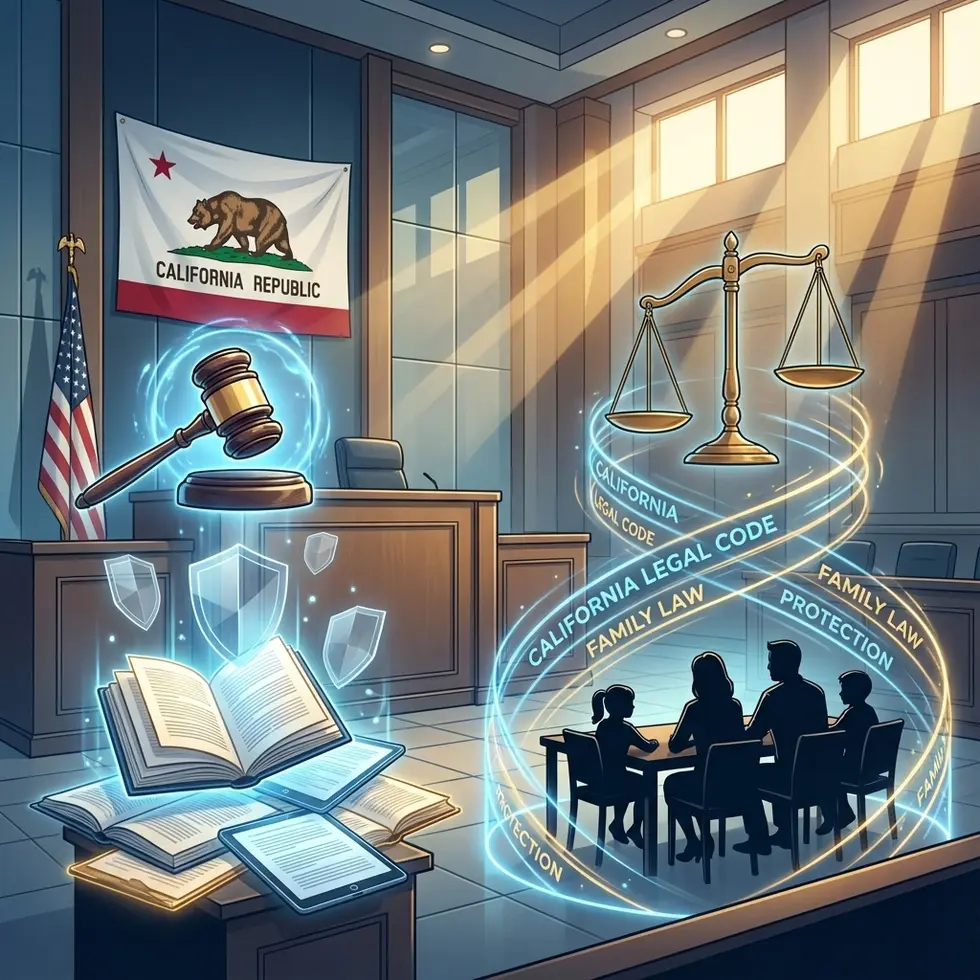
California Legal Framework: What You Must Know
Trust Amendment Requirements
California Probate Code Section 15401 allows trust modifications only under specific circumstances. Navigating trust amendments requires careful attention to beneficiary consent requirements and judicial approval processes.
Asset Protection Standards
Under Williams v. Stein (2009), California courts apply the "reasonably equivalent value" standard to evaluate asset transfers. Self-settled spendthrift trusts must comply with California Civil Code Section 3439 to avoid fraudulent transfer claims.
Prop 19 Compliance
California Revenue and Taxation Code Section 63.1, effective February 2021, significantly restricts parent-to-child property tax exclusions. Properties must qualify as "family homes" and meet strict occupancy and value requirements.
Building Your Iceberg Detection System
1. Annual Family Wealth Reviews
Conduct comprehensive annual assessments examining:
- Asset composition and liquidity ratios
- Family dynamics and potential conflict points
- Tax exposure across all jurisdictions
- Business succession readiness metrics
- Insurance coverage adequacy
2. Professional Coordination Protocols
Establish regular communication between your estate planning attorney, CPA, financial advisor, and business attorney. Quarterly coordination meetings prevent the communication breakdowns that sank the Titanic.
3. Governance Implementation
The inheritance collapse can be prevented through proper family governance structures, trust protectors, and succession planning protocols.
The Resource Guide: Your Navigation Tools
Internal Firm Resources
- Estate Planning Services
- Asset Protection Strategies
- Trust Amendment Guidance
- Spendthrift Trust Analysis
Authoritative Legal Resources
- California Probate Code (Sections 21000-21630)
- California Family Code (Sections 850-853)
- IRS Estate and Gift Tax Regulations (26 CFR 20-25)
- California Franchise Tax Board Publications
- State Board of Equalization Prop 19 Guidelines
Research and Case Law
- American Bar Association Estate Planning Resources
- California State Bar Trusts and Estates Section
- Tax Court Cases Database
- Bloomberg Tax Research Platform
Frequently Asked Questions
Q: How do I know if my family is headed for an estate planning disaster?
A: Warning signs include family business conflicts, rapidly appreciating assets without tax planning, lack of updated estate documents, and advisory teams that don't coordinate. If you haven't reviewed your estate plan in three years or your net worth has doubled without planning updates, you're sailing toward an iceberg.
Q: Can California families still benefit from federal estate tax exemptions?
A: Yes, but the current $13.6 million exemption expires in 2025, reverting to approximately $7 million. California has no state estate tax, but Prop 19 creates significant property tax consequences for inherited real estate exceeding $1 million in assessed value increases.
Q: What's the biggest mistake successful business owners make with succession planning?
A: Assuming their children want to run the business or have the skills to do so successfully. 70% of family businesses fail in the second generation, often because parents didn't create exit strategies or develop non-family leadership options.
Q: How can families protect assets from future creditors and lawsuits?
A: California law permits various asset protection strategies including domestic asset protection trusts (limited effectiveness), Nevada/Delaware trusts, limited liability entities, and insurance structures. However, these must be implemented before claims arise to avoid fraudulent transfer violations.
Q: When should families start serious estate planning discussions?
A: The moment net worth exceeds $2 million or when business values begin rapid growth. However, the optimal time was five years ago: the second-best time is today. Delayed planning exponentially increases costs and reduces available options.
Take Action Before You Hit the Iceberg
The Titanic's tragedy wasn't caused by the iceberg: it was caused by ignoring the warnings. Your family's financial Titanic moment is avoidable, but only if you act on the warning signs before impact.
Don't let your legacy become another cautionary tale of wealth destroyed by preventable planning failures.
Schedule your comprehensive estate planning strategy session today: Book your consultation to identify your family's specific icebergs and implement protection strategies before it's too late.
Related Reads
- Most Crypto Millionaires Are One Accident Away from Zero Recoverable Dollars
- A Seed Phrase Is Not an Estate Plan
- Six Secrets of How Wealthy Landowners Protect Themselves from Lawsuits
Disclaimer: This article provides general information about California estate planning concepts and should not be construed as legal advice for your specific situation. Estate planning, tax law, and asset protection strategies involve complex legal and factual considerations that vary significantly based on individual circumstances. California law changes frequently, and this information may not reflect the most current legal developments. Always consult with qualified legal and tax professionals before making decisions that could affect your estate plan, tax obligations, or asset protection strategy.
Intellectual Property Notice: This content is proprietary to the Law Office of James Burns and protected by copyright law. The strategies, analysis, and insights contained herein represent specialized legal knowledge developed through extensive practice in California estate planning and asset protection. Unauthorized reproduction, distribution, or use of this material without express written permission is strictly prohibited and may result in legal action. © 2026 Law Office of James Burns. All rights reserved.

Comments
There are no comments for this post. Be the first and Add your Comment below.
Leave a Comment