

he Uncomfortable Truth About "Complete" Estate Plans
Here's what we see in Orange County every single week: A family walks in believing their estate plan is done. They have a trust. They have a will. They paid good money for documents years ago.
Then we ask three questions.
And the plan falls apart.
Not because the attorney did something wrong. Not because the family was careless. But because estate plans fail at invisible pressure points: places no one thinks to check until it's too late.

These aren't exotic problems. They're not rare. They happen to families with $3 million in assets. They happen to families with $30 million. The number doesn't matter. What matters is whether your plan can survive the three moments that break most others.
Let's talk about those moments.
Pressure Point #1: The Alignment Gap
You have a trust. Good.
But here's the question that matters: Do your assets actually flow through it?
In Orange County, we routinely see families who believe they're "covered" because a trust document exists. But the trust is just a container. If your assets aren't inside it—or if your beneficiary designations point somewhere else—the trust is decoration. This is where routine funding reviews and title audits matter. If you haven't done one in 12–24 months, start with an estate planning review.
What this looks like in real life (Orange County edition):
- Newport Coast rental still deeded to you personally, not your trust—no recorded grant deed into the trust, so your heirs face probate despite “having a trust”
- Irvine LLC that owns a Costa Mesa duplex—your membership interest was never assigned to the trust, so control and cash flow stall in court
- Laguna Beach vacation home titled properly, but the umbrella insurance and equity line remain in your name, not aligned with the trust structure
- Brokerage account opened after the trust—left in your individual name; no TOD/registration to the trust
- Retirement account with an old beneficiary (including an ex‑spouse) or directly to a child—bypasses your trust's distribution design and creditor protections
- Life insurance naming a child directly instead of the trust—ignores the governance you intended
- Outdated A‑B trust formula that unnecessarily funds a bypass trust at the first death—causing a potential missed step‑up in basis on those assets at the second death under IRC §1014
The consequence? Probate. Court involvement. Delay. Cost. Public record.
You paid for a trust to avoid exactly this. But because the assets and the trust aren't aligned, the plan breaks. If you own operating companies or real estate portfolios, your alignment should coordinate with your asset protection design, and, where appropriate, your California Private Retirement Plan and PPLI ownership and beneficiary structure.
This is the most common failure pattern we see in multi-generational wealth transfer.
Most families never check. Most advisors never audit. And by the time someone discovers the gap, it's too late to fix.
Learn more about how trustees can fail families here.
Pressure Point #2: The Incapacity Collapse
Here's a scenario we've watched unfold too many times:
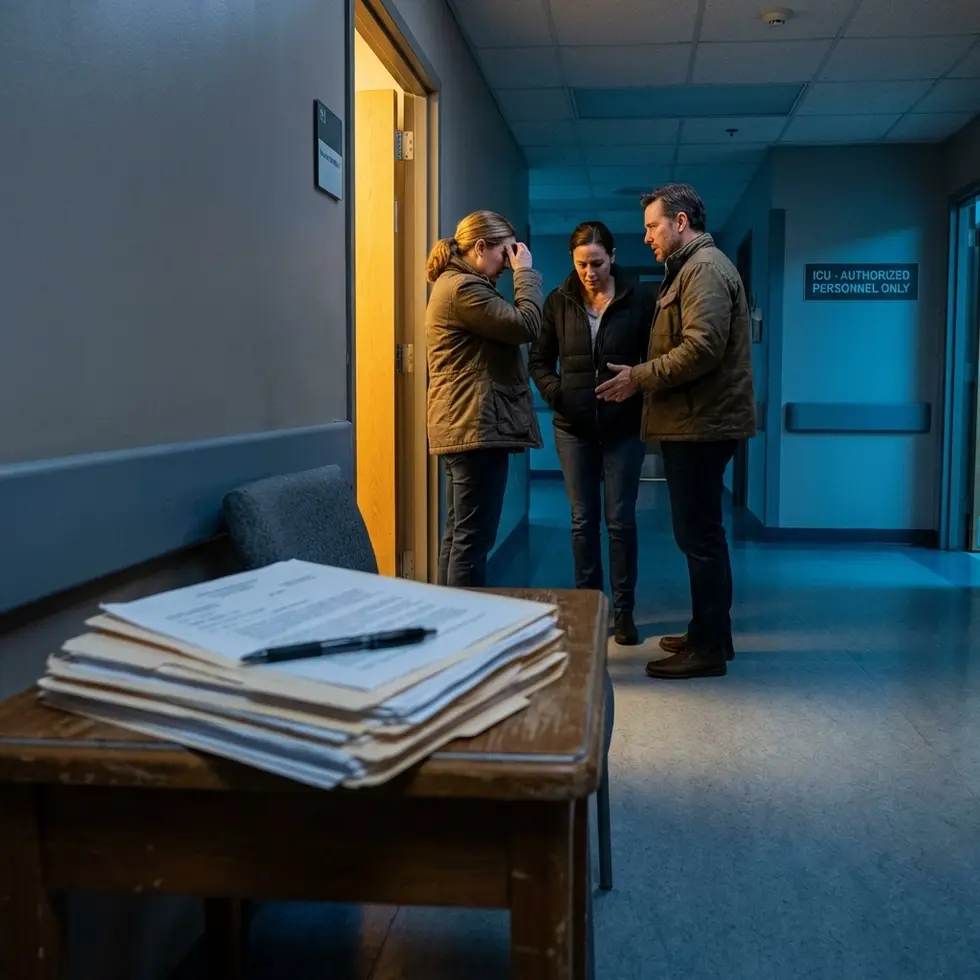
A parent is rushed to the hospital. They can't speak. They can't sign documents. The family needs to make medical decisions, access accounts, manage property.
And then the hospital asks one question: "Who has authority?"
If no one can answer that question clearly: with the right documents, properly executed, immediately accessible: the plan collapses.
What happens next:
- The family goes to court for a conservatorship
- A judge decides who controls your parent's care and money
- Attorneys get involved. Costs multiply. Time disappears.
- Family members start disagreeing. Conflict emerges.
This isn't about death. This is about the moment between healthy and gone: the space where most plans have a hole.
The incapacity gap is invisible until the hospital bedside moment. Then it's the only thing that matters.
We see this pattern constantly with successful California families. They planned for death. They never planned for the question that comes first: What happens if you're alive but unable to act?
A power of attorney helps. A healthcare directive helps. But only if they're current, properly drafted under California law, and actually accessible when the crisis hits.
Orange County example: A Newport Beach parent owned several rentals in an LLC. After a stroke, no one had immediate authority to sign on the LLC's bank account or manage tenants because the POA was outdated and the operating agreement didn't recognize agent authority. The family had to seek a temporary conservatorship.
Most families have documents somewhere. Few have a system that works under pressure. Build a go‑bag: current POA, healthcare directive, certification of trust (Probate Code §18100.5), and account access instructions—stored digitally and physically. If you don't have this, start with an estate planning refresh.
Pressure Point #3: The Governance Void
This one is quieter. It doesn't show up at the hospital. It shows up at the family meeting after someone dies.
The question: Who decides what happens next?
If your estate plan doesn't answer that question clearly: with defined roles, decision-making authority, and conflict resolution mechanisms: you've created a governance void.

What fills that void?
- Sibling disagreements
- Lawsuits between beneficiaries
- Trustees who don't know their duties
- Courts that impose solutions no one wanted
We see this constantly in family business succession situations. Example: An Irvine manufacturing company moves shares into a trust, then splits ownership among three siblings in Newport Beach, Tustin, and Dana Point. No operating governance, no buy‑sell terms, and no trust protector.
- Who runs the business day‑to‑day, and who can be fired—by whom, and how
- How major decisions get made (board vs. managers; voting thresholds; tie‑breakers)
- What happens if two siblings want to sell and one doesn't (buy‑sell mechanics, valuation, funding)
- Who has authority to remove/replace a trustee or manager who isn't performing
- Whether a trust protector or a California private trust company will oversee fiduciaries and keep the train on the tracks
If you're a founder, embed governance in your plan: trustee instructions, voting protocols, dispute‑resolution steps, and funding tools (e.g., insurance or PPLI for buy‑sell liquidity). Coordinate succession with asset protection and, where appropriate, a California Private Retirement Plan to shield enterprise value.
The result is predictable when this is missing: conflict, court, and wealth destruction.
This is why family governance matters more than most families realize.
Legacy control architecture isn't just legal language. It's the difference between a family that stays together and one that tears itself apart over money.
Which One Is Already Active in Your Family?
Here's what we know from working with Orange County families every week:
At least one of these pressure points is already present in your situation.
Maybe your retirement accounts haven't been reviewed since you created your trust. Maybe your healthcare documents are in a drawer somewhere and your adult children don't know they exist. Maybe your family business succession plan assumes everyone will "work it out": without any actual framework for how.
We don't know which one. You might not either.
That's the problem.
These pressure points stay invisible until they activate. And by then, your options are limited, expensive, and often painful.
The Only Logical Next Step
We're not going to pretend we can diagnose your situation from a blog post. We can't. Neither can anyone else.
What we can do is show you exactly where to look.
That's what the Situation Readiness Briefing (SRB) is designed for.
It's not a sales pitch. It's not a generic consultation. It's a focused diagnostic session where we identify which of these pressure points: if any: are active in your family's situation right now.

Some families walk out with a clear action plan. Some walk out knowing their existing plan is solid. Either way, you stop guessing.
Because guessing is how families end up in probate court with a trust that was supposed to prevent exactly that.
See what elite families do differently.
Frequently Asked Questions
What makes an estate plan "fail" even when documents exist?
Documents alone don't protect families. Asset alignment, incapacity planning, and governance structures must work together. A gap in any area can trigger probate, court involvement, or family conflict—regardless of what documents you have. Common triggers in Orange County: untitled real estate, LLC interests not assigned to the trust, outdated beneficiary designations, and outdated A‑B formulas that can cause missed step‑up in basis under IRC §1014.
How do I know if my trust is properly funded?
Review every asset you own: real estate titles, bank accounts, brokerage accounts, retirement account beneficiaries, and life insurance designations. For California real estate, confirm recorded grant deeds into the trust; for LLCs, assign membership interests to the trust. Each account should either be titled in the trust's name or have the trust listed as beneficiary (where appropriate). If you're unsure, start with an estate planning funding audit.
What's the difference between a will and a trust for California families?
A will goes through probate—a public court process. A properly funded trust avoids probate, keeps matters private, and allows for immediate asset management upon incapacity or death. In California, trusts also reduce the need for conservatorships if you're incapacitated. Most high‑net‑worth families need both, structured correctly.
Why does family governance matter for estate planning?
Without clear decision‑making authority, successor roles, and conflict‑resolution mechanisms, even well‑drafted trusts can lead to disputes and litigation. Governance defines who decides, how, and what happens when people disagree. Tools include trustee instruction letters, trust protectors, voting protocols, and, in some cases, a California private trust company to centralize fiduciary oversight.
What is a Situation Readiness Briefing?
An SRB is a focused diagnostic session designed to identify specific pressure points in your current estate plan. It's not a generic consultation: it's a targeted review to determine where your plan may be vulnerable.
Take the Next Step
Explore your options, then get a focused plan.
- Align titles and beneficiaries with your estate planning goals
- Fortify ownership and entities with asset protection
- Evaluate advanced tools like PPLI and California Private Retirement Plans
- Read more on our blog
Book your Situation Readiness Briefing today. Stop guessing which pressure point is active in your family. Find out.
Schedule your SRB with the Law Office of James Burns
Disclaimer: This article provides general information about estate planning concepts and does not constitute legal advice. Every family's situation is unique. Consult with a qualified attorney to evaluate your specific circumstances.
Disclosure: The concepts, frameworks, and strategic approaches discussed in this article are proprietary to the Law Office of James Burns.
Sources Used:
- California Probate Code (selected): Table of Contents, §18100.5 Certification of Trust, §16060 Duty to Inform, §17200 Trust Petitions
- California Code of Civil Procedure: §704.115 Private Retirement Plan Exemption
- Internal Revenue Code / IRS: IRC §1014 Basis of Property Acquired from a Decedent, IRS Topic No. 703 — Basis of Inherited Property
- California Conservatorship Resources: Judicial Council Self‑Help
- Case law: Estate of Heggstad, 16 Cal.App.4th 943 (1993)
- Firm resources: Estate Planning, Asset Protection, Private Retirement Plans, PPLI, Blog

Comments
There are no comments for this post. Be the first and Add your Comment below.
Leave a Comment