

Here's the uncomfortable truth about asset protection in California: if you're relying on basic LLC structures and hoping charging orders will save you from creditors, you're building on quicksand. California courts routinely pierce through these amateur-hour strategies, leaving high-net-worth families exposed to catastrophic losses.
But there's a reason billionaire families sleep soundly at night while lawsuit sharks circle. They don't use the same cookie-cutter protection strategies pushed by weekend seminar gurus. They build fortresses: integrated, multi-layered defense systems that make attacking their wealth legally impossible and economically pointless.
Why Standard Asset Protection Fails in California
Most asset protection advice stops at forming an LLC in Nevada or Wyoming, assuming charging order protection will shield your assets. This approach is fundamentally flawed in California.
Unlike states with strong charging order statutes, California law doesn't make charging orders the "exclusive remedy" for creditors.¹ When a California court determines that charging order distributions won't satisfy a judgment within a reasonable timeframe, judges routinely authorize foreclosure on the debtor's LLC interest.² This means creditors can force the sale of your ownership stake, effectively bypassing the LLC structure entirely.

Even worse, forming out-of-state LLCs provides little protection for California residents. When California creditors sue California residents in California courts, California law applies: not Nevada's favorable charging order protections.³ Your Wyoming LLC becomes as useful as tissue paper against a California judgment.
The ultra-wealthy learned this lesson decades ago. They don't rely on single-entity protection schemes. They build integrated fortress systems that operate beyond the reach of any single state's limitations.
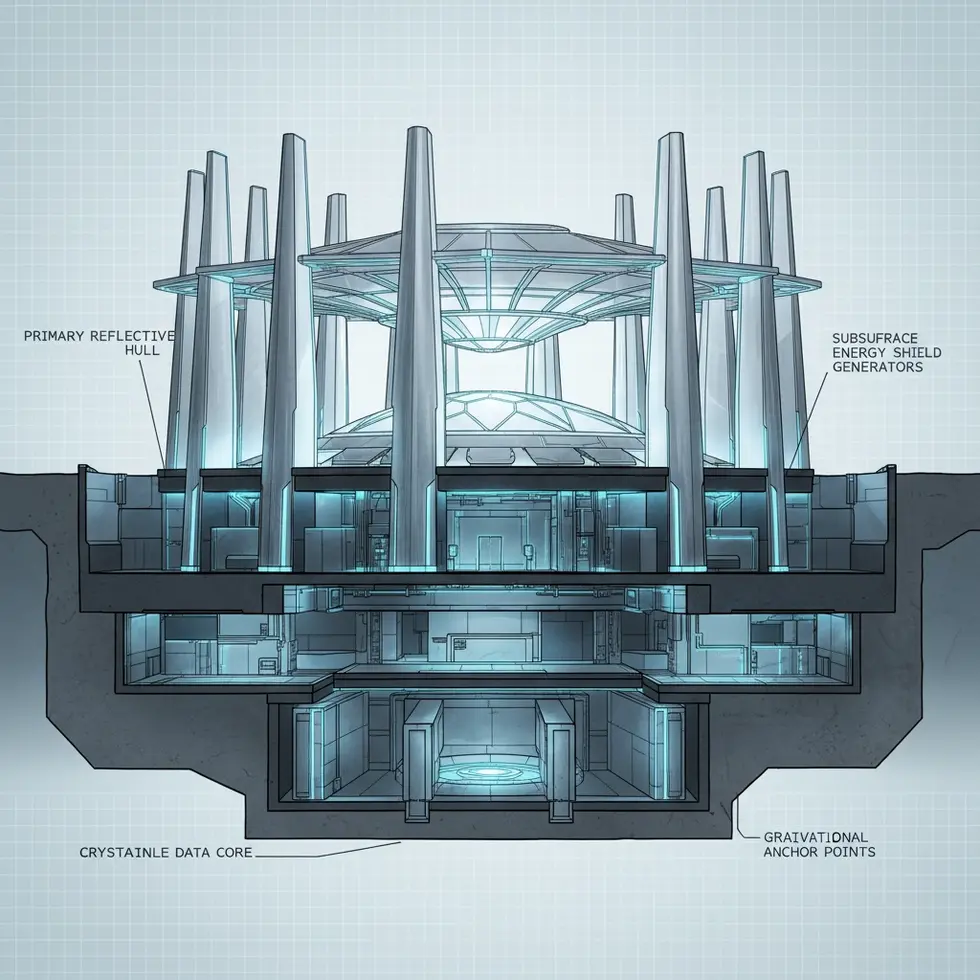
The FortressWall™ Architecture: Beyond Basic Asset Protection
The FortressWall™ Asset Protection System represents a quantum leap beyond traditional strategies. Instead of hoping one entity type will protect everything, we architect multi-layered defense systems that integrate five core components:
California Private Retirement Plans (CPRPs) serve as the fortress's foundation. These aren't your typical 401(k)s: they're sophisticated retirement vehicles that provide absolute creditor protection under ERISA while allowing strategic asset migrations and business interest transfers.⁴ Unlike standard retirement accounts with contribution limits, properly structured CPRPs can protect millions in assets with complete litigation immunity.
Dynasty Trusts create the fortress walls: multi-generational structures that remove assets from your personal ownership while maintaining beneficial access through carefully crafted distribution standards. When properly integrated with estate planning, these trusts can operate for centuries, protecting wealth from creditors, divorces, and estate taxes across multiple generations.⁵
Charging-Order Entities become powerful when layered with other protections. While basic LLCs fail in California, sophisticated multi-tiered entity structures with proper charging order protections in friendly jurisdictions create procedural nightmares for attacking creditors: especially when the entities hold interests in other protected structures rather than direct assets.
Offshore Components add international complexity that makes pursuing your assets economically unfeasible for most creditors. Strategic use of Cook Islands trusts, Nevis LLCs, and other offshore vehicles: when properly structured and compliant: creates jurisdictional hurdles that discourage all but the most well-funded adversaries.
Private Placement Life Insurance (PPLI) Integration provides the fortress's invisibility cloak. PPLI structures allow tax-free wealth accumulation within insurance policies that are extremely difficult for creditors to reach, especially when held by offshore trusts or integrated with retirement plans.
CPRPs: The Fortress Foundation
California Private Retirement Plans represent perhaps the most powerful asset protection tool available to high-net-worth individuals. Unlike standard retirement accounts, CPRPs can be designed to accept unlimited contributions, protect existing business interests, and integrate seamlessly with other wealth preservation strategies.
The key is proper structuring. A well-designed CPRP can accept the transfer of business interests, real estate, and other valuable assets as "contributions" while providing absolute protection under federal ERISA laws.⁶ This protection is so strong that even bankruptcy courts cannot touch properly structured retirement assets.
But CPRPs shine brightest when integrated with other FortressWall™ components. The CPRP can hold interests in Dynasty Trusts, fund PPLI policies, or own stakes in offshore entities: creating a web of protection that's virtually impossible for creditors to penetrate.
Dynasty Trusts: Multi-Generational Fortress Walls
While CPRPs protect assets during your lifetime, Dynasty Trusts extend that protection across generations. These aren't your grandfather's trusts: modern Dynasty Trusts can operate for 1,000 years or more in certain jurisdictions, protecting wealth from creditors, divorces, and estate taxes for your entire family line.
The key to Dynasty Trust power lies in proper beneficiary design and distribution standards. By crafting specific language around distributions for health, education, maintenance, and support (HEMS), trustees gain flexibility to provide for beneficiaries while maintaining creditor protection. When a beneficiary faces a lawsuit, the trust assets remain completely protected because the beneficiary has no ownership rights: only potential beneficial interests at the trustee's discretion.
Offshore Integration: International Complexity as Defense
The ultra-wealthy understand that domestic asset protection, no matter how sophisticated, has inherent limitations. U.S. courts have jurisdiction over U.S. residents and their domestic assets. But when assets are held through properly structured offshore vehicles, the litigation landscape changes dramatically.
Cook Islands trusts, for example, operate under laws specifically designed to frustrate creditors. The statute of limitations for challenging trust transfers is just one year.⁷ The burden of proof requires creditors to prove "beyond a reasonable doubt" that the transfer was fraudulent: a criminal standard in what's typically a civil matter.⁸ These jurisdictional advantages create such significant hurdles that most creditors abandon pursuit rather than face the costs and uncertainties of international litigation.

But offshore strategies must be implemented correctly and compliantly. The key is transparency with U.S. tax authorities while maintaining privacy from potential creditors. Proper reporting satisfies IRS requirements without creating a roadmap for litigation attackers.
PPLI: The Invisible Wealth Shield
Private Placement Life Insurance represents the fortress's stealth technology. When properly structured, PPLI policies allow unlimited premium payments that grow tax-free within the policy.⁹ But beyond tax advantages, PPLI provides extraordinary creditor protection.
Insurance policies are generally protected assets in most states, including California. When PPLI policies are owned by offshore trusts or integrated with CPRPs, they become nearly invisible to creditors while providing flexible access to accumulated wealth through policy loans and withdrawals.
The integration possibilities are limitless. Dynasty Trusts can own PPLI policies, providing multi-generational tax-free wealth transfer. CPRPs can fund PPLI premiums with pre-tax dollars. Offshore trusts can own policies, adding international complexity. The result is wealth that grows invisibly, transfers tax-free, and remains protected from creditors.
Integration: The Fortress Multiplier Effect
The true power of the FortressWall™ system emerges from integration. Each component provides protection individually, but when properly combined, they create synergistic effects that multiply defensive capabilities.
Consider this structure: A CPRP holds interests in a Dynasty Trust. The Dynasty Trust owns an offshore LLC. The offshore LLC owns PPLI policies. Business interests are contributed to the CPRP, providing immediate creditor protection. The Dynasty Trust removes assets from the estate while maintaining beneficial access. The offshore LLC adds jurisdictional complexity. The PPLI provides tax-free growth and additional creditor protection.

An attacking creditor would need to: (1) overcome ERISA protection on the CPRP, (2) pierce the Dynasty Trust structure and prove fraudulent transfer, (3) pursue claims in a hostile offshore jurisdiction, and (4) reach through insurance policy protections. The costs, complexities, and uncertainties make such pursuit economically irrational for all but the most determined and well-funded adversaries.
Implementation Timing: Before Crisis Strikes
The most sophisticated fortress provides no protection if built after the attack begins. Fraudulent transfer laws void asset protection structures implemented after creditor claims arise or when insolvency looms. The time to build your fortress is now: while you're financially strong and free from creditor pressure.
The lookback period for fraudulent transfers varies by jurisdiction and claim type, but generally ranges from two to ten years.¹⁰ This means your asset protection structure should be fully implemented and seasoned years before any potential creditor issues emerge.
Case Study: The $50 Million Medical Malpractice Shield
Dr. Sarah Chen, a prominent California surgeon, implemented a comprehensive FortressWall™ system three years before facing a $50 million malpractice claim. Her structure included:
- A CPRP holding her medical practice interests and investment accounts
- A Nevada Dynasty Trust owning California real estate and business interests
- A Cook Islands trust holding PPLI policies funded with $10 million in premiums
- Multiple charging-order protected entities creating layers between assets and exposure
When the lawsuit emerged, the plaintiff's attorneys discovered that Dr. Chen's personal assets were either protected by ERISA (in the CPRP), owned by irrevocable trusts (removing them from her estate), or held through offshore structures requiring international litigation. After eighteen months of investigation, the plaintiffs settled for her malpractice insurance limits rather than pursue the protected assets.

The Compliance Framework
Sophisticated asset protection requires sophisticated compliance. Every structure must satisfy IRS reporting requirements, maintain proper documentation, and operate according to its stated purpose. The FortressWall™ system includes comprehensive compliance protocols ensuring your protection remains legally sound and audit-resistant.
This includes proper trust administration, timely tax filings, maintenance of entity formalities, and documentation of all transactions. While this requires more attention than basic structures, the protection benefits justify the administrative requirements.
FAQ: Advanced Asset Protection in California
Q: How do CPRPs provide better protection than standard 401(k)s or IRAs?
A: CPRPs can accept unlimited contributions and protect existing business interests, while standard retirement accounts have contribution limits and can't hold many asset types. CPRPs also provide stronger ERISA protection and can be integrated with other sophisticated structures.
Q: Can California courts still reach assets in offshore trusts?
A: While U.S. courts can theoretically order repatriation of offshore assets, practical enforcement becomes extremely difficult when structures are properly implemented in favorable jurisdictions. The costs and uncertainties often discourage creditor pursuit.
Q: How long must these structures be in place before they provide protection?
A: Generally, structures should be implemented and "seasoned" for several years before creditor issues arise. Fraudulent transfer lookback periods vary but can extend up to ten years in some circumstances.
Q: Do I lose control of my assets with these strategies?
A: Effective asset protection requires some degree of separation from assets. However, proper structuring can maintain significant beneficial access and influence while achieving creditor protection. The key is balancing control with protection.
Q: How much does it cost to implement a FortressWall™ system?
A: Comprehensive systems typically require investment of $150,000-$500,000 for implementation, depending on complexity. For families with $10+ million in assets facing potential liability exposure, this represents essential insurance against catastrophic losses.
Sources Used:
- California Code of Civil Procedure § 708.310
- Hellman v. Anderson, 233 Cal.App.4th 840 (2015)
- Matter of Albright, 291 B.R. 538 (Bankr. D. Col. 2003)
- ERISA § 206(d)(1), 29 U.S.C. § 1056(d)(1)
- Revenue Ruling 2004-64
- Patterson v. Shumate, 504 U.S. 753 (1992)
- Cook Islands International Trusts Act 1984, § 13B
- Cook Islands International Trusts Act 1984, § 13A
- Internal Revenue Code § 7702
- Uniform Fraudulent Transfer Act § 4
Don't wait until the lawsuit lands on your desk to discover your current asset protection plan is worthless. The ultra-wealthy build their fortresses years in advance, using sophisticated strategies that go far beyond basic LLCs and hoping for the best.
Ready to build your FortressWall™ Asset Protection System?
Schedule your confidential Situation Readiness Briefing today. We'll analyze your current exposure, design your comprehensive protection architecture, and implement the integrated strategies that billionaire families use to sleep soundly: no matter what legal storms are brewing.
Your wealth took decades to build. Don't let one lawsuit destroy it all. Contact the Law Office of James Burns before it's too late.
This article is for informational purposes only and does not constitute legal advice. Asset protection strategies must be implemented by qualified professionals and customized to individual circumstances.
© 2025 Law Office of James Burns. FortressWall™ and associated methodologies are proprietary intellectual property.
For more advanced strategies and case studies, explore our Blog Archive or dive into related topics like Asset Protection and Estate Planning.

Comments
There are no comments for this post. Be the first and Add your Comment below.
Leave a Comment