
The Quote-Comparison Instinct Will Cost You Everything
Here's what I see constantly: A successful family with $5M, $10M, or $20M+ in assets decides it's time to "get their estate plan done."
They do what smart consumers do. They call three attorneys. They ask for proposals. They compare prices.
Then they pick the one that feels like the best deal.
Six years later, mom has a stroke. Dad passes unexpectedly. The "plan" collapses under pressure. Assets get stuck. Siblings fight. The IRS shows up.
And everyone wonders what went wrong.
What went wrong is the starting assumption. Estate planning isn't a product you buy. It's an architecture you build. And you can't comparison-shop architecture.
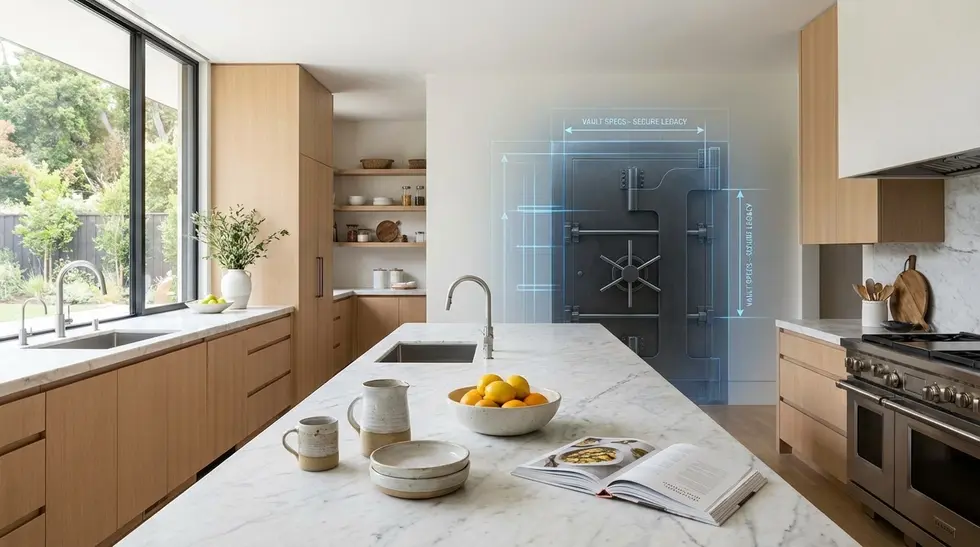
Why Kitchen Remodels and Estate Plans Have Nothing in Common
When you remodel your kitchen, the variables are concrete:
- Cabinet cost: $100–$1,200 per linear foot
- Countertop material: granite vs. quartz vs. marble
- Timeline: 6 weeks vs. 12 weeks
- ROI: Typically 38–96% depending on scope
You can line up three contractors, compare their bids, and make a rational decision. The cheapest quote might actually deliver identical results to the expensive one.
Estate planning doesn't work that way.
There's no standard "deliverable." There's no ROI calculator. There's no finish line where you pop champagne and call it done.
Your estate plan isn't a product. It's a living system that needs to respond to:
- Tax law changes (happening constantly)
- Family dynamics (marriages, divorces, births, deaths, conflicts)
- Asset changes (business sales, real estate acquisitions, inheritance)
- Health events (incapacity, long-term care, cognitive decline)
- Jurisdiction shifts (moving states, buying property elsewhere)
A contractor quote assumes the project ends. Your estate plan never ends. That's why comparing quotes is comparing apples to submarines.
What You're Actually Buying (Hint: It's Not Documents)
Most families think they're buying a trust document. A will. Maybe some powers of attorney.
That's like thinking you're buying a blueprint when you hire an architect. The blueprint matters: but it's not the point.
What you're actually buying:
- Strategic architecture – How your assets flow, who controls what, and what happens when things go sideways
- Failure-point identification – Where your current setup breaks under pressure
- Coordination across entities – Making sure your trust, business, real estate, and accounts actually work together
- Ongoing adaptation – Adjustments as laws change and life happens
- Crisis navigation – Someone who knows your structure when the hospital calls at 2 AM
None of that shows up on a quote. None of it can be compared line-by-line.
When you shop for the cheapest trust, you get a document. When you invest in proper planning, you get a system that actually protects your family.

The Hidden Danger of "Comparable" Proposals
Here's where families really get burned.
You get three proposals. They all say "revocable living trust." They all list "pour-over will, durable power of attorney, advance healthcare directive."
They look identical. So you pick the cheapest one.
But those documents can be worlds apart:
- Funding instructions – Did anyone actually move your assets into the trust, or just hand you a binder?
- Successor trustee provisions – What happens when your trustee can't serve? Is there a clear chain of command?
- Incapacity triggers – How does the trust define incapacity? Two doctors? One? A specific process?
- Tax optimization – Does the trust account for step-up basis, generation-skipping, or charitable strategies?
- Asset protection features – Are distributions structured to protect beneficiaries from creditors, divorce, or lawsuits?
Two trusts can have the same title and completely different guts. The cheap one might leave your family in probate. The expensive one might not be any better if it wasn't customized to your situation.
The price tells you nothing about whether the plan will actually work.
For a deeper look at what breaks plans under pressure, see our breakdown of why families with "complete" trusts still end up in probate.
The "Set It and Forget It" Trap
Here's another way the kitchen analogy fails.
Once your kitchen is done, it's done. You use it for 15 years. Maybe you update the hardware. But the cabinets don't need annual reviews.
Estate plans require ongoing attention.
According to estate planning best practices, treating a plan as "set it and forget it" creates nightmare scenarios for families. Major life changes: including home remodels, business sales, or even buying new property: can trigger the need for plan updates.
When you shop for the lowest quote, you're usually getting a one-time transaction. Document delivery. Done.
What happens when:
- California changes its estate tax exemption?
- Your daughter gets divorced and her ex-spouse has a claim to inherited assets?
- You sell your business and need to restructure your trust?
- You buy a vacation home in another state with different probate rules?
The attorney who gave you the cheapest quote is long gone. You're starting from scratch. And you're paying again: often more than if you'd invested in proper architecture from the beginning.

What Actually Protects High-Net-Worth Families
If quote comparison doesn't work, what does?
Look for architecture, not documents.
The right planning relationship starts with understanding your full picture:
- All assets, across all entities and jurisdictions
- Family dynamics and potential conflict points
- Business interests and succession concerns
- Tax exposure and optimization opportunities
- Incapacity and healthcare coordination
- Legacy goals beyond just "passing assets"
Then it builds a system: not a binder: that addresses each exposure point.
This is what we call Control Architecture. It's the framework that holds when life gets hard.
Look for ongoing relationship, not one-time transaction.
Your estate plan should adapt as your life changes. That means working with someone who knows your structure, understands your goals, and can adjust quickly when circumstances shift.
The "three quotes" approach treats estate planning like buying a washing machine. The architecture approach treats it like building a team.
The Real Cost of Shopping Around
Let me be direct.
The family that spends $3,000 on a cheap trust and ends up in a $150,000 probate fight didn't save money. They lost it.
The family that picked the middle quote and never funded their trust didn't get a deal. They got nothing.
The family that compared proposals based on price and ended up with a plan that didn't account for their out-of-state property didn't win. They created a mess for their kids to clean up.
The real cost of shopping around isn't the money you spend. It's the protection you don't get.
Your family deserves better than a commodity purchase. They deserve a system built specifically for your situation, maintained over time, and ready to perform when it matters.
Frequently Asked Questions
Why can't I just compare estate planning quotes like I do for other services?
Estate planning isn't a standardized product. Two plans with identical names can have completely different provisions, funding processes, and protective features. Price doesn't indicate quality or fit for your specific situation.
What should I look for instead of the lowest price?
Focus on whether the attorney understands your complete financial picture, offers ongoing support, addresses multi-state assets, and builds a system rather than just delivering documents.
How often should an estate plan be reviewed?
At minimum, every 3-5 years or whenever you experience a major life event: marriage, divorce, birth, death, business sale, significant asset change, or relocation.
What's the biggest mistake high-net-worth families make with estate planning?
Treating it as a one-time purchase instead of an ongoing relationship. Plans that aren't maintained and adapted break under pressure.
Does a more expensive plan guarantee better protection?
Not automatically. The key is whether the plan was customized to your situation, properly funded, and structured to address your specific failure points.
Your Next Step
If you've been shopping around for estate planning quotes, stop. That approach doesn't protect your family: it just gives you a false sense of security.
Instead, let's have a real conversation about what your family actually needs.
Schedule a consultation here and let's build something that works.
Sources Used:
- Estate planning best practices research on ongoing plan management
- Kitchen remodeling ROI data and cost benchmarks
- California probate and trust administration standards
Disclaimer: This article provides general information and does not constitute legal advice. Every family's situation is unique. Consult with a qualified attorney to discuss your specific circumstances.
Intellectual Property Disclosure: All content, frameworks, and concepts presented are the intellectual property of the Law Office of James Burns.

Comments
There are no comments for this post. Be the first and Add your Comment below.
Leave a Comment