
You can want your spouse to feel secure and still want your children to receive an inheritance. A second marriage requires a plan that explains how both goals will work, who controls the decisions and what happens when circumstances change.
“Everything to my spouse, then to my children” sounds clear at the kitchen table. It can leave several unanswered questions. Can the survivor change the beneficiaries? Who pays for the house? What if the survivor needs expensive care? What if a child becomes trustee and must decide whether the stepparent's request is reasonable?
The useful starting point is Risk Exposure Mapping: identify the family commitments, property, decision rights and funding needs before selecting documents. The goal is a workable set of instructions supported by ownership records, accepted beneficiary forms and implementation evidence.
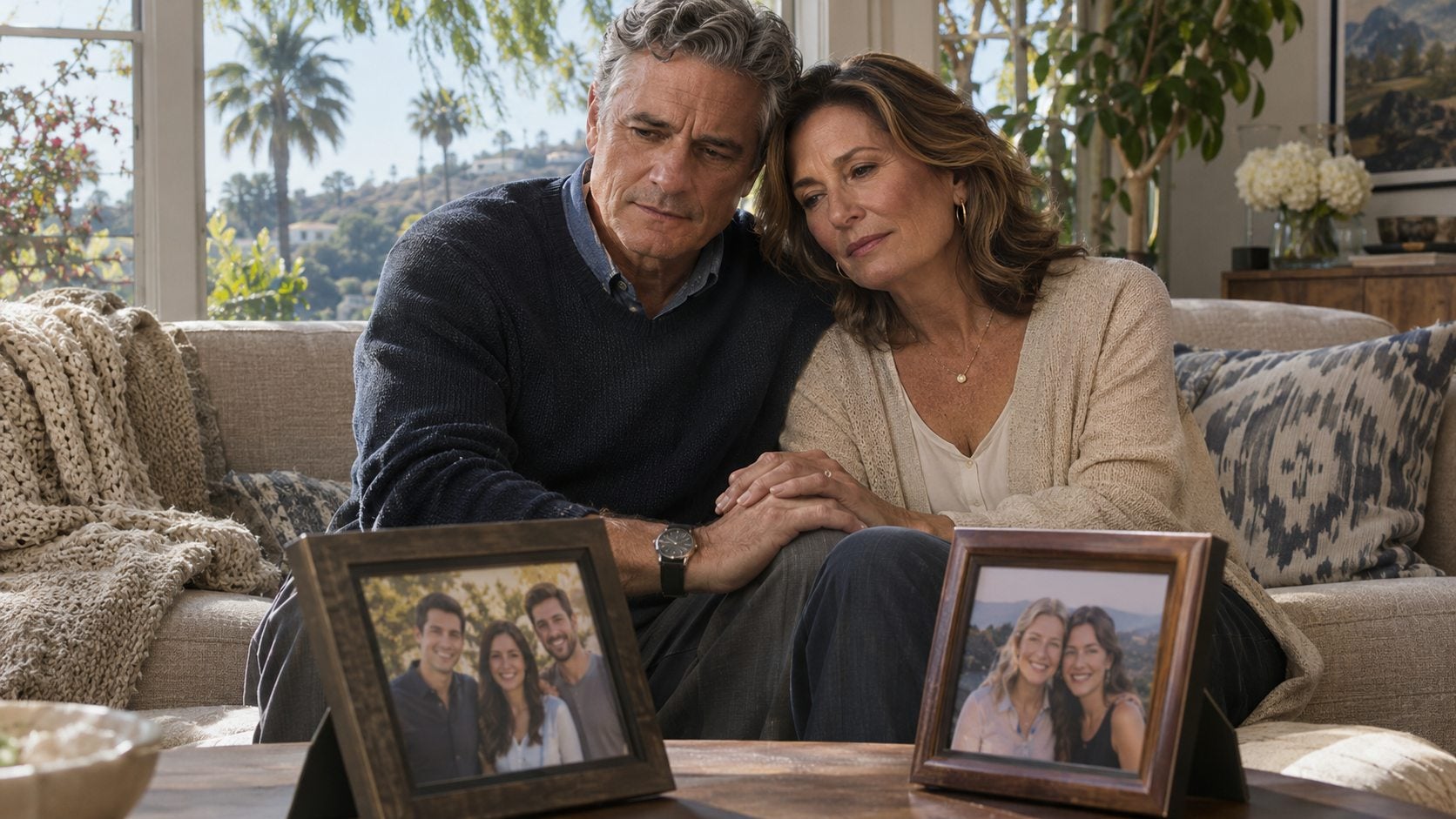
Write Down the Promises Before Choosing the Trust
Begin separately, then compare answers. Each spouse should describe what financial security means, which assets should remain available during life, what children should receive and which decisions must remain flexible. A conversation can reveal that two spouses use the same word to mean different things.
For one spouse, security may mean the right to remain in the home. For the other, it may mean enough liquid money to move, travel or obtain care. A child may interpret an eventual inheritance as a fixed dollar amount, while a parent means whatever remains after supporting the survivor. None of those expectations should be left for the trustee to discover after a death.
Create a short decision sheet with four columns: the promise, the asset intended to support it, the person authorized to act and the evidence that the arrangement has been implemented. A promise without an asset or a decision-maker needs further work.
Identify What Each Spouse Actually Owns
A balance sheet should identify title, property character, approximate value, debt, beneficiary designation and any existing restriction. Include residences, investment accounts, retirement plans, insurance, businesses, loans, foreign property and interests in trusts established by someone else.
California's community-property and separate-property rules matter. The date and source of acquisition, gifts and inheritances, agreements, transfers and later contributions can affect the analysis. An account label alone may not answer every ownership question. Obtain deeds, account records and relevant agreements rather than relying on recollection.
A remarriage also does not reopen every trust created during a prior marriage. A deceased spouse's trust may already contain irrevocable provisions or interests belonging to other beneficiaries. Bring the complete prior trust and amendments to the review. Counsel must determine which assets and instructions the surviving spouse can change.
The practical output is an ownership map. It should distinguish property each spouse can direct, property requiring coordinated action and property subject to existing duties. That prevents a new document from promising control its signer does not have.
Decide Which Instructions the Survivor May Change
Flexibility has value. The survivor may live for decades, move, develop a disability or need support that nobody can predict today. But unrestricted flexibility can also permit a different ultimate inheritance than the first spouse expected.
Ask the question directly: after the first death, may the survivor change the recipients of the deceased spouse's intended share? If the answer is yes, understand what that means. If the answer is no, define the restrictions, distribution standards, trustee powers and practical costs of administration. Do not assume that calling an arrangement a joint trust answers the question.
A plan may use separate shares, continuing trusts or other arrangements to balance support and inheritance. The right structure depends on the actual property, tax issues, family needs and document terms. No single blended-family trust can guarantee harmony or preserve a particular remaining amount regardless of future expenses.
Test the proposed arrangement against three events: the survivor needs more money, the survivor remarries, and a child believes the trustee is being unfair. Read the operative language against those events while both spouses can still explain their intentions.
Turn the Right to Stay in the Home Into a Real Plan
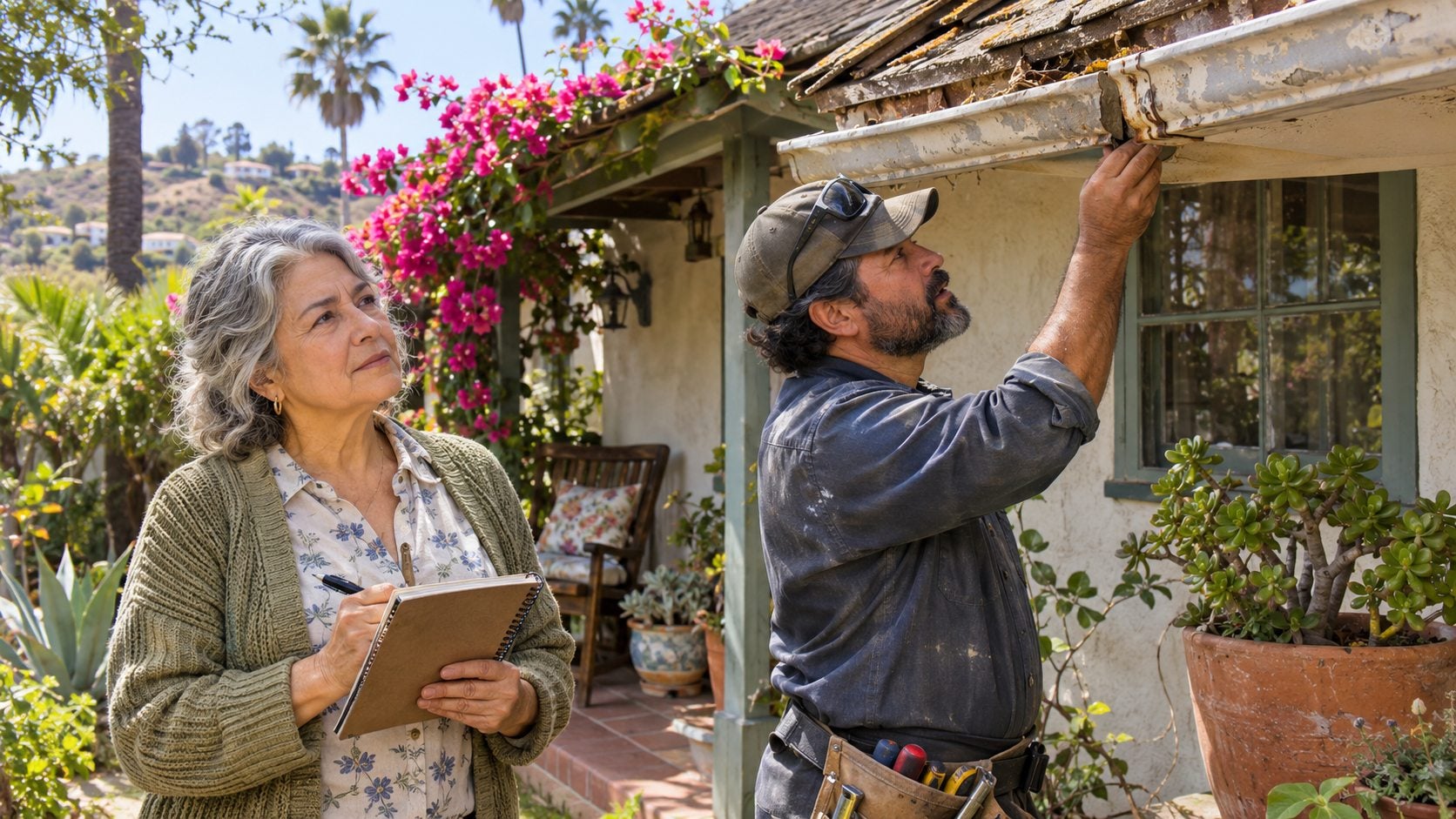
Housing is often the most emotional commitment and the least fully funded. “My spouse can stay for life” leaves the trustee with questions about mortgage payments, taxes, insurance, ordinary maintenance, major repairs and the cost of accessibility changes.
Specify whether the survivor receives ownership, a trust-based occupancy right or another carefully designed interest. Those choices are different. A right to occupy should address temporary absence, hospitalization, relocation, a new partner, renting the property and the event that ends occupancy. A deed or trust provision should be reviewed for its actual legal and tax consequences.
Also decide who may authorize a sale and what happens to the proceeds. If the survivor moves to assisted living, does the housing benefit follow the survivor? If the house requires a major roof repair, which fund pays? If there is little cash, will beneficiaries be expected to advance money? A housing promise becomes fragile when its expenses depend on voluntary cooperation.
A trust-based solution should be evaluated alongside the mortgage, insurance and property-tax treatment. Avoid recording a transfer first and investigating its consequences later. The person who receives the home and the people who expect its remaining value need an understandable decision process.
Separate Lifetime Support From the Final Inheritance
A fixed inheritance for children and open-ended support for a spouse can compete for the same dollars. Model the cash flow rather than treating both promises as automatically affordable.
List expected housing costs, living expenses, debt payments, insurance, administration costs and possible care needs. Then identify which resources support the survivor and which assets are intended for later beneficiaries. Consider inflation, investment risk, illiquid property and a long survival period. These are planning assumptions, not predictions or guaranteed returns.
Insurance or other liquidity may help in appropriate circumstances, but premiums, ownership, policy terms and beneficiary designations require review. A policy is not a substitute for testing whether the family can maintain it. Nor should a child be told that a future inheritance is assured merely because an illustration shows a particular value.
The plan should explain whether children receive something at the first death, an interest after the survivor's death or only whatever remains under a discretionary arrangement. Different answers create different expectations.
Choose Decision-Makers Who Can Carry the Assignment
A spouse may trust an adult child deeply and still place that child in a difficult role by naming the child as trustee for a stepparent. Every request can become a perceived conflict between current support and the child's eventual inheritance.
Consider competence, availability, recordkeeping, relationships, conflicts, compensation and succession. A neutral fiduciary may be useful, but fees and the willingness to accept the appointment matter. Naming an institution without confirming its requirements can leave an impractical plan.
Document how decisions are requested, what information supports them, when accounts or reports are provided and how a trustee is replaced under the governing instrument and law. Define responsibility without pretending that a family letter overrides the trust.
Incapacity deserves the same attention as death. Coordinate the financial power of attorney, health-care decision-maker, trust succession and institution-specific requirements. The person making medical decisions and the person controlling money should have workable communication and clear authority.
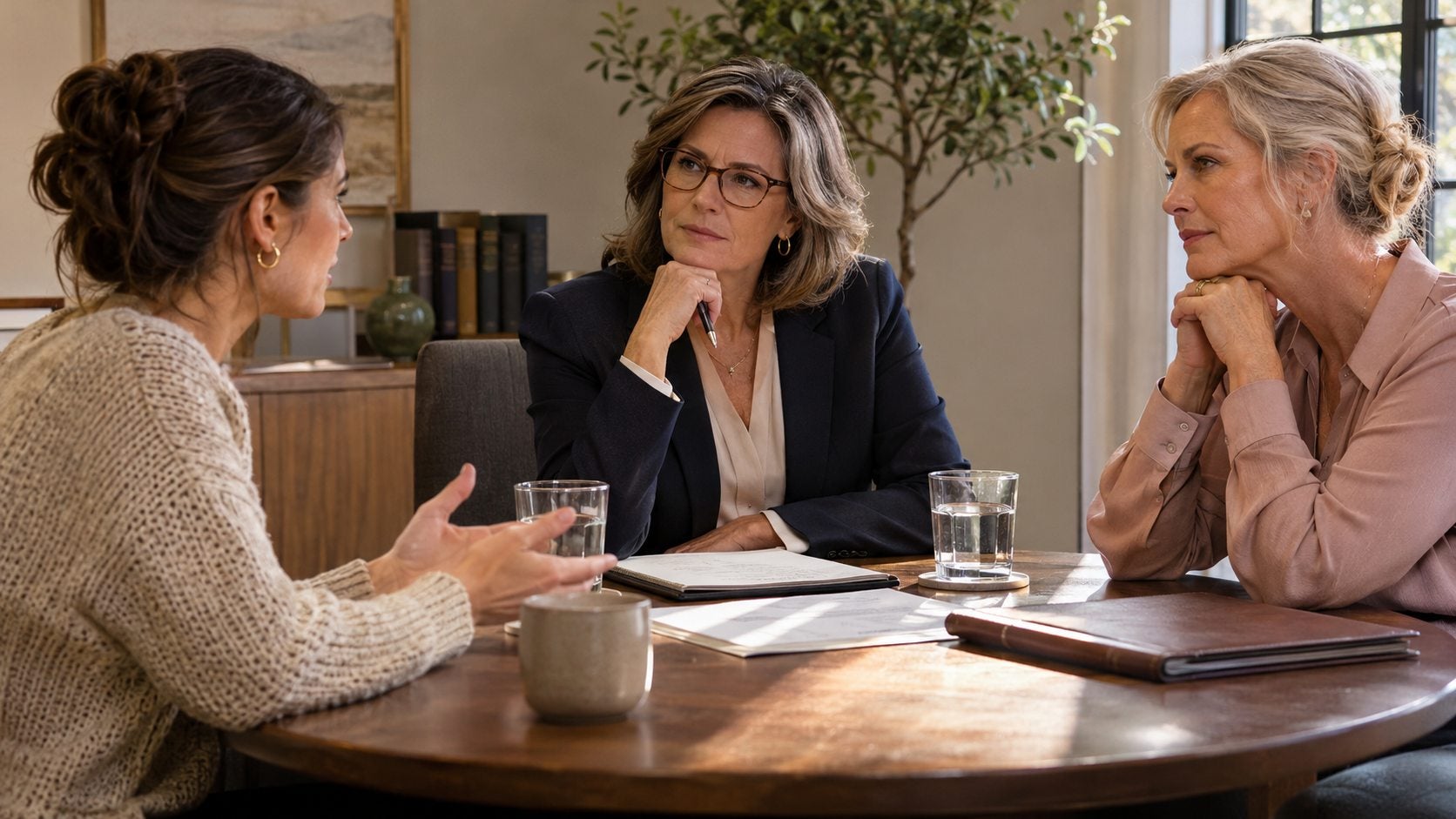
Reconcile Beneficiary Forms With the Family Agreement
A trust review should include retirement plans, life insurance, payable-on-death accounts and other contractual transfers. Do not assume the will controls them. Obtain the designation the institution currently has on file and identify its primary and contingent recipients.
Retirement arrangements can have spousal rights, consent requirements and tax rules that differ from ordinary bank accounts. Do not replace a beneficiary with a trust simply because that appears to match the narrative. Review the plan rules, intended recipient and tax treatment before changing a form, and retain acceptance confirmation.
A marital agreement also needs coordination with the estate plan. It can create rights or obligations that a generic trust review misses. Questions about enforceability, disclosure and independent advice require appropriate counsel; a trust amendment should not be treated as a substitute for that analysis.
A Hypothetical Stress Test for a Blended Family
Assume a California couple each has adult children from a prior relationship. One spouse brought the residence into the marriage. Both want the survivor to have stable housing, and the homeowner wants the home's remaining value eventually to benefit that spouse's children. These facts are hypothetical, not a client result.
The first meeting should not begin with a recommendation to sign a life-estate deed. The family first maps ownership, debt, agreements, expenses and the survivor's other resources. The spouses then define what happens if the survivor moves, needs care or cannot pay maintenance. Counsel evaluates the available legal structures and tax consequences.
The spouses select a decision-maker who can administer the housing arrangement, fund appropriate reserves and coordinate beneficiary forms. They record who must complete each implementation step. The final review asks whether the instructions still work if the survivor lives another twenty years or sells the house much sooner.
The value lies in resolving the operating questions before grief and competing expectations make them harder to answer.
Do Not Assume Marriage Quietly Updates Old Documents
California's omitted-spouse provisions can affect an estate when a person marries after executing testamentary instruments without providing for the later spouse. Probate Code sections 21610 and 21611 establish a rule with important conditions and exceptions. A later marriage does not justify assuming either that the old plan controls unchanged or that the spouse automatically receives everything.
Likewise, federal estate-tax portability requires its own review. The IRS Form 706 instructions describe elections and rules concerning a surviving spouse's last deceased spouse. Remarriage, prior elections and later deaths should be reviewed with the actual tax records. Do not assume an unused exclusion was transferred automatically or rely on an old dollar figure.
Bring the complete documents, marriage and prior-death information, accepted beneficiary designations and relevant tax returns. The review should produce a list of decisions and implementation tasks rather than merely a new signature page.
Arrange the Review Before the Family Must Use the Plan
For a qualifying new foundational estate plan or complete trust restatement, Orange County and Aliso Viejo families may request a Situation Readiness Briefing through the Risk Exposure Mapping Form. Qualification, preparation and scope apply. Asset protection, business succession, advanced tax planning and administration are separate billable matters arranged through the office at (949) 305-8642. The firm does not handle litigation; active disputes require appropriate dispute counsel.
Law Office of James Burns
6B Liberty, Suite 130
Aliso Viejo, California 92656
Frequently Asked Questions
Does a second marriage automatically update my trust?
Do not assume so. Review the existing trust, later-spouse rights, asset ownership, agreements and beneficiary forms. The legal result depends on the documents and circumstances.
Can I support my spouse and leave assets to my children?
Often those objectives can be coordinated, but the plan must define support, control, funding and the eventual inheritance. No structure guarantees that a fixed amount will remain despite every future expense.
Should my spouse receive a life estate in the home?
That is one possible structure, not an automatic recommendation. Review occupancy, expenses, sale authority, relocation, financing and taxes before choosing or recording an interest.
Should my child serve as trustee for my spouse?
Consider the child's competence and the potential conflict between supporting a stepparent and preserving a remainder inheritance. A neutral fiduciary may help in some families, with fees and acceptance requirements evaluated first.
Does the trust control my retirement beneficiaries?
Do not assume it does. Review accepted beneficiary forms, plan rules, spousal rights and tax consequences separately. Obtain confirmation of any properly authorized change.
What should we bring to a second-marriage review?
Bring trusts and amendments, wills, deeds, account and beneficiary records, marital agreements, insurance, debts, prior-spouse trust information and relevant tax records. Write down each spouse's support and inheritance goals.
Sources and Further Reading
- California Probate Code section 21610
- California Probate Code section 21611
- IRS Instructions for Form 706
- Earlier second-marriage overview
- Marriage after signing a California trust
Disclaimer
This article provides general information, not legal, tax, investment, insurance or financial advice. Marital rights, trust powers, beneficiary designations and tax results depend on the documents and facts. Reading this article does not create an attorney-client relationship. Obtain individualized advice before changing ownership or signing documents.
IP Disclosure
© 2026 Law Office of James Burns. Original editorial content. The hypothetical family is illustrative and does not describe a client or promised outcome. Images are original AI-assisted conceptual illustrations and do not depict actual clients, fiduciaries or events. Referenced materials belong to their respective owners.

Comments
There are no comments for this post. Be the first and Add your Comment below.
Leave a Comment